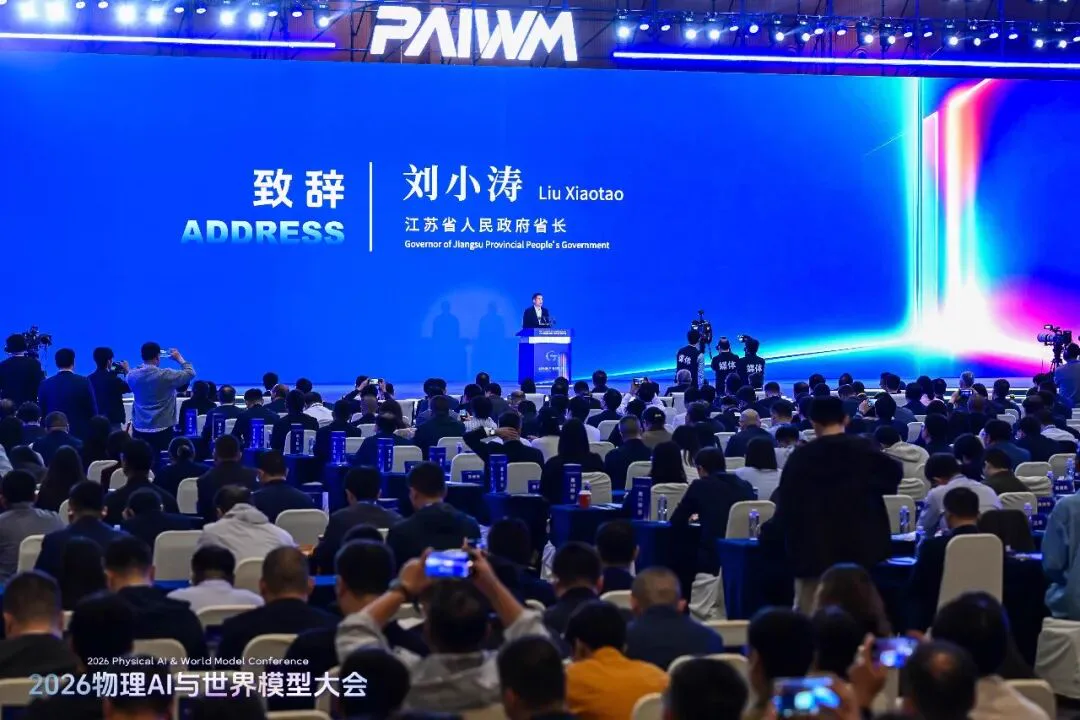
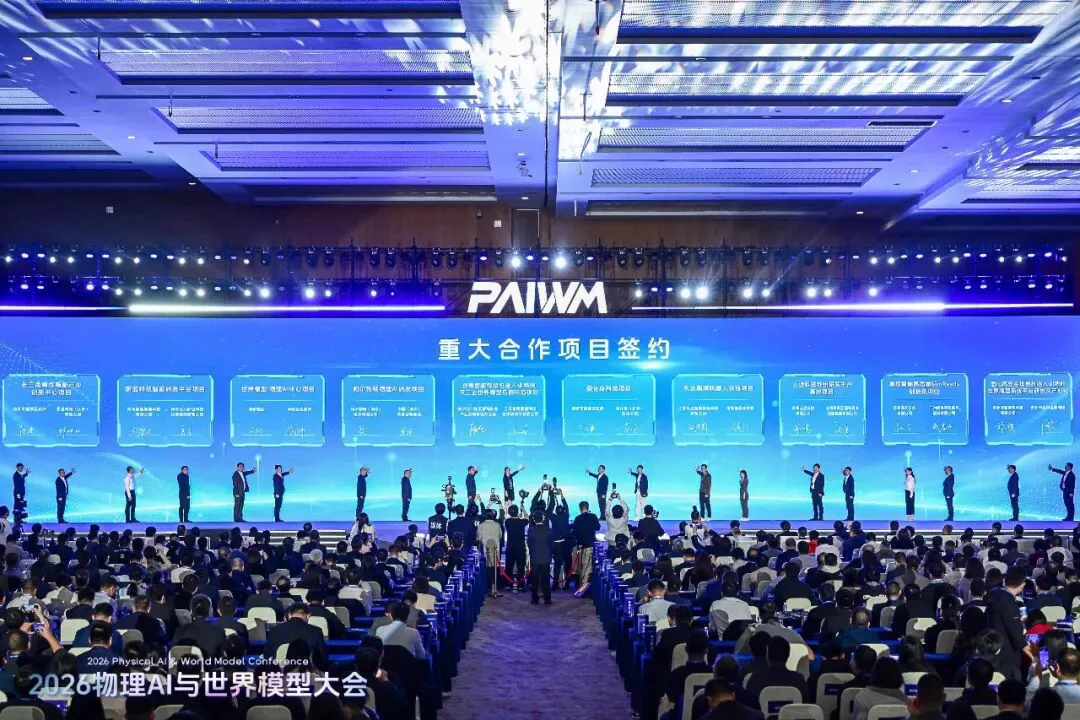
The 2026 Physical AI and World Models Conference opened in Nanjing on October 20 under the theme ‘Modeling the Physical World, Enabling a Better Future’. Jiangsu Governor Liu Xiaotao delivered an address. Turing Award winners Yann LeCun, Andrew Yao and John Hopcroft joined leading researchers, institutions and industry representatives to explore world models’ technical evolution and industrial future.
Liu Xiaotao described physical AI and world models as important directions for extending AI into the real world, strengthening system cognition and entering physical scenarios. Jiangsu will expand applications, attract talent, strengthen computing infrastructure, improve its industrial ecosystem and foster a supportive environment, providing comprehensive support for research, technical breakthroughs, validation and industry development. He welcomed global talent, teams and innovative companies to explore new frontiers together.
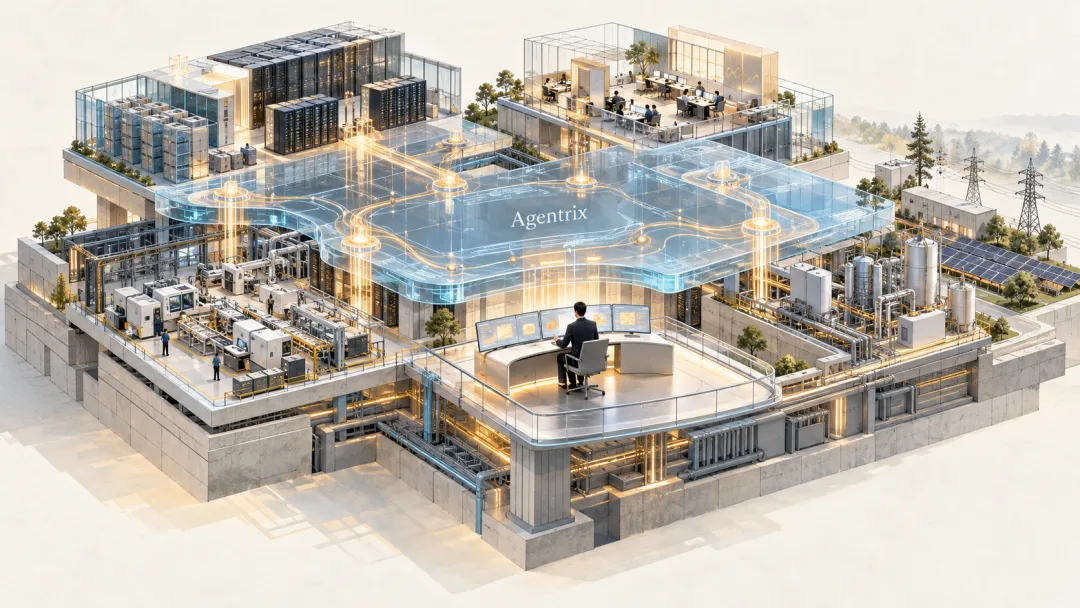
Representing enterprise AGI companies, AHS presented its independently researched WBM, Agentrix enterprise AI operating system and cross-industry applications, showing a path from business understanding to decisions and execution in complex organizations.
As one of the core companies in the first round of major project signings, AHS reached a deep cooperation agreement with Nanjing’s Jianye District government, further advancing enterprise AI applications in the real economy.
Major industrial cooperation agreements signed
As the first comprehensive industry conference dedicated to physical AI and world models, the event presented advances in frontier research and industrial ecosystem development.
It announced the establishment of the embodied intelligence working group under China’s National Information Technology Standardization Technical Committee, launched preliminary research for the national standard ‘Artificial Intelligence — World Models’, and established a Physical AI and World Models industry alliance to advance standards, cooperation and applications.
Major cooperation agreements covered embodied-intelligence systems and core components, world models and robot brains, and physical AI chips.
AHS signed a major industrial cooperation project, bringing WBM research, enterprise AI technology and actual industrial demand closer together. It had previously been selected for the 2026 Jiangsu Recommended Directory of Key AI Service Providers.
As global research advances real-world modeling, dynamic prediction and action, enterprises and cities—with business rules, resource constraints, organizational relationships and changing events—are becoming important environments for AI’s deeper engagement with reality.
Governor visits the exhibition as industrial applications are showcased
During the exhibition, Governor Liu Xiaotao visited AHS’s display and spoke with company representatives about WBM research, enterprise AI development and industrial applications.
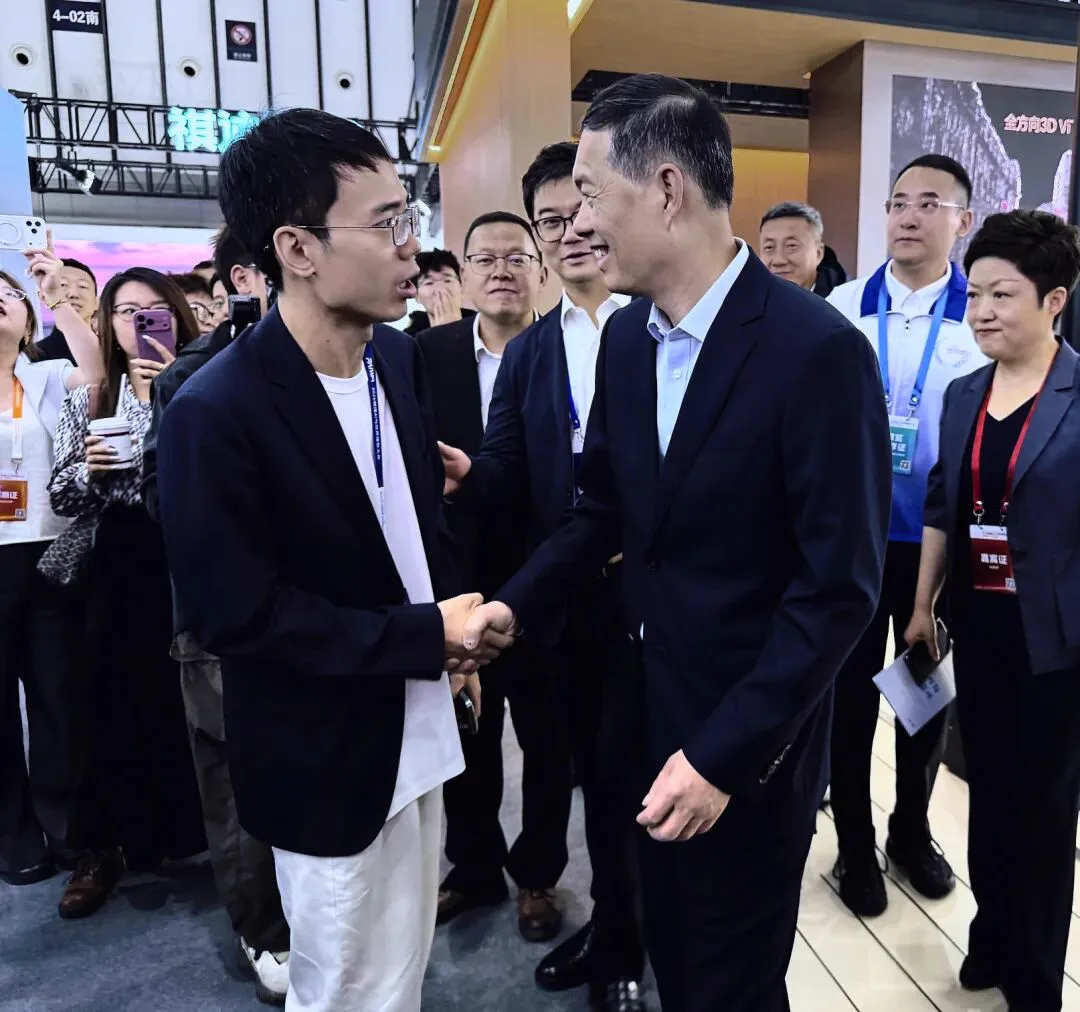
He recognized AHS’s commitment to independent innovation, industry–academia–research cooperation and the integration of frontier technology with industry. He took an interest in organizational intelligence for enterprise and urban operations, and in safe, controllable technology supporting the real economy and enterprise transformation.
AHS now serves more than 200 globally recognized enterprises in finance, energy, manufacturing and other sectors. Two interactive stations demonstrated intelligent city and enterprise operations, including public services, resource scheduling, business operations and process collaboration.
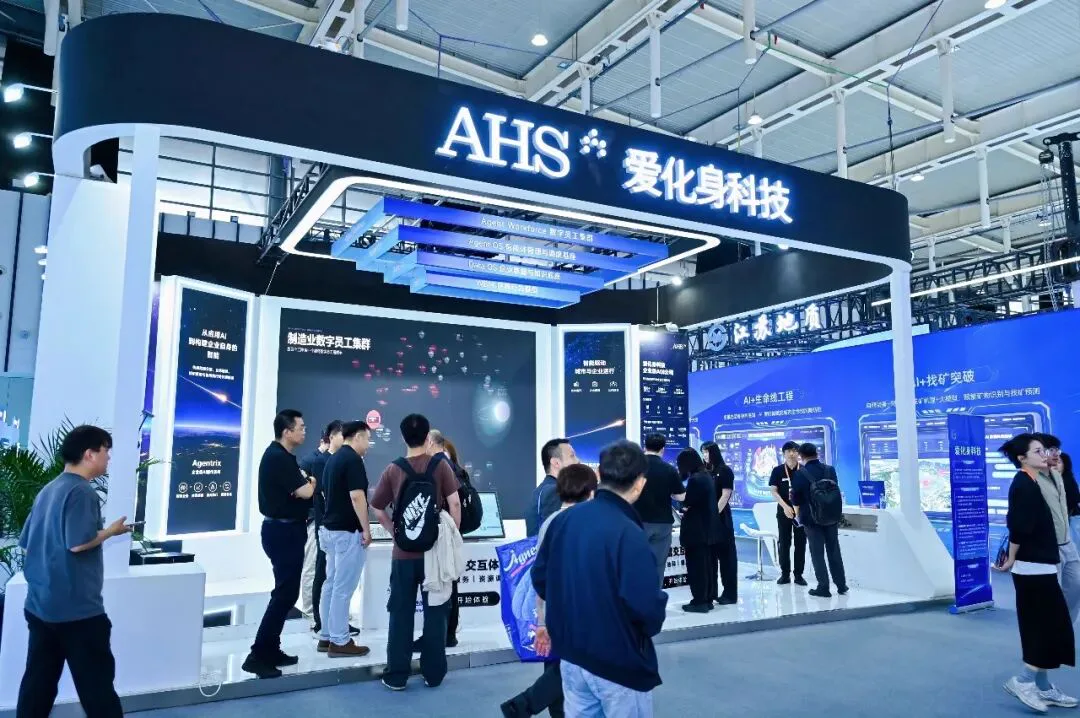
Data from deployed intelligent urban governance projects show operating costs 15%–20% lower than before deployment. These results reflect AHS’s engineering experience in complex environments and provide a practical reference for assessing AI investment and business value.
Exploring frontier technology and engineering practice
AHS Vice President Liu Qingyuan, head of product, R&D and delivery, spoke on ‘From Enterprise Intelligence to the World Behavior Model: AHS’s Technical Exploration and Industrial Practice’, introducing research and engineering for complex organizations.
He described enterprises as dynamic systems shaped by relationships, organizational rules and resource constraints. Operations are interconnected, and local actions can affect the whole. Entering core processes requires AI to understand not only data and rules but organizational dynamics and the possible consequences of actions.
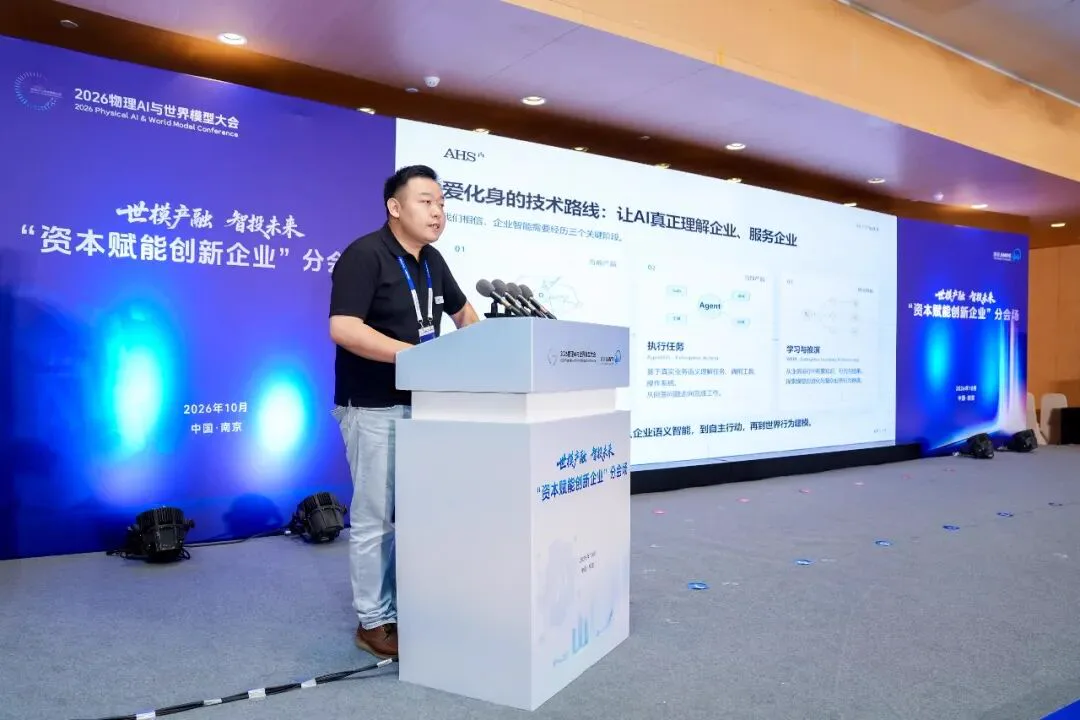
AHS uses enterprise spatiotemporal ontology to establish shared business semantics, turning dispersed data, knowledge, objects and rules into machine-understandable structures. Through WBM, it studies dynamic relationships among states, actions and outcomes to support analysis, simulation and execution in complex settings.
On this foundation, Agentrix connects understanding, decision support, digital-worker collaboration and feedback optimization through Data OS, Agent OS and Agent Workforce. Security governance and intelligence sovereignty are built in so enterprises retain intelligence assets, rules, action permissions and ultimate control.
For long-term capability development, AHS’s WBM research further examines relationships among business states, actions and outcomes, how different choices may shape subsequent changes, and how execution feedback can improve judgment.