As AI moves into industrial application, enterprises face a question beyond whether to use it: how can model capabilities become sustainable business capabilities? Models can be called quickly, but general-purpose models do not automatically understand years of accumulated data, business semantics, process rules and organizational experience. Enabling AI to understand these assets and participate in business under clear rules and permissions is now central to deeper enterprise transformation.
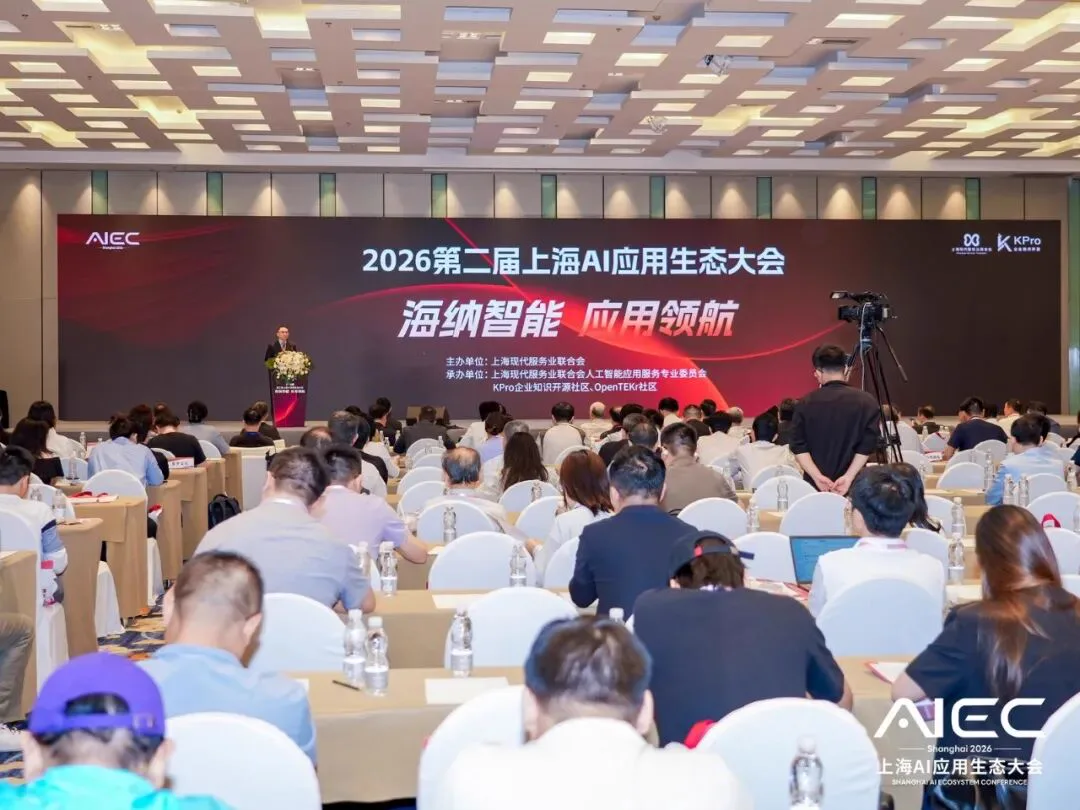
On September 22, the second Shanghai AI Application Ecosystem Conference took place at the Renaissance Shanghai Zhongshan Park Hotel under the theme ‘Embracing Intelligence, Leading Applications’. Focusing on enterprise management transformation, agent innovation, practical applications and commercialization, it examined a demanding question: as AI moves from demonstrating capabilities to taking on tasks, what business foundations, operating mechanisms and governance systems must enterprises establish?
Agentrix selected for ‘Intelligence-Native Innovation’
The conference was organized by the Shanghai Modern Service Industry Federation. Established 21 years ago, this comprehensive coordinating organization has 1,729 member organizations and 21 specialist committees. Its network connects finance, commerce, logistics and urban services, extending into manufacturing and real-economy business operations.
Linking policy, industry organizations and professional services with enterprise needs and industrial scenarios gives the conference its distinctive value. Its focus extends beyond technical innovation to bringing AI into enterprises and industries in ways that produce replicable, sustainable results.
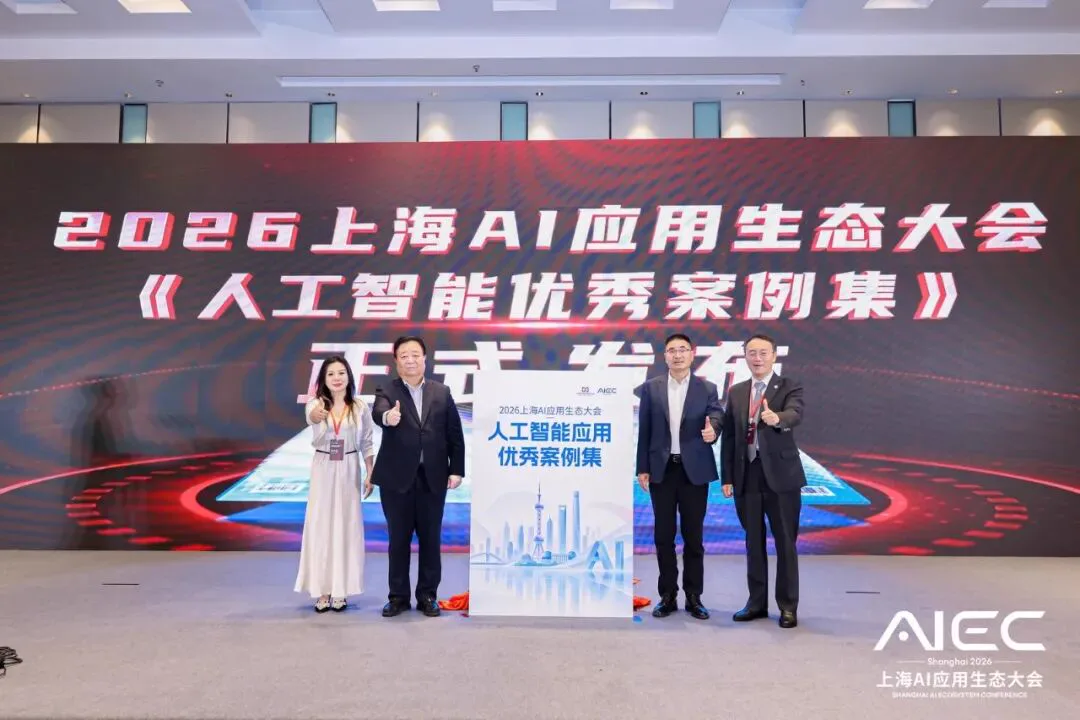
The conference released the 2026 Collection of Outstanding AI Application Cases, featuring 90 cases from 10 Chinese provinces and municipalities. It showcases innovation across industries and business scenarios, including applications from Neusoft and Beisen.
AHS’s Agentrix project was selected for the ‘Intelligence-Native Innovation’ category. This reflects the growing recognition of enterprise AI operating systems as an infrastructure-oriented approach within assessments of AI’s industrial practice and application value.
Deploying AI is about more than adding a content-generation or information-query tool. Once AI participates in operations, enterprises must ask whether it understands relationships between business objects, completes tasks according to processes and permissions, collaborates with employees and other agents, and supports managed, traceable execution.
Agentrix addresses the journey after model capabilities enter an enterprise: moving AI from understanding information to understanding the business, and involving it in decisions and execution within clear governance boundaries.
Closing roundtable: deployment challenges are moving inside the enterprise
The conference’s closing roundtable focused on deployment. It was chaired by Yang Bin, Vice President of ABPMP China, a senior McKinsey adviser and former SAP China Vice President, bringing together practitioners from industry organizations, enterprise strategy consulting and enterprise AI development.
The discussion identified four tests for AI deployment: is the scenario real, is the data sufficient, will processes change, and is value measured? Moving from a working demonstration into business operations is the decisive step.
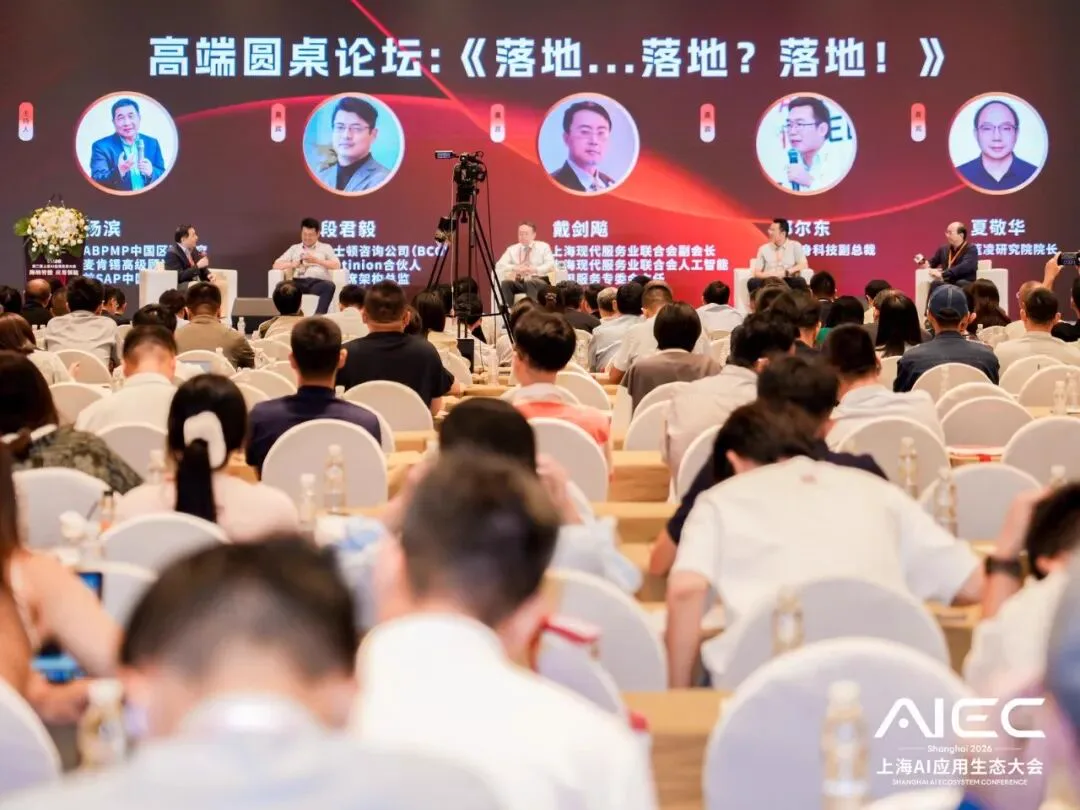
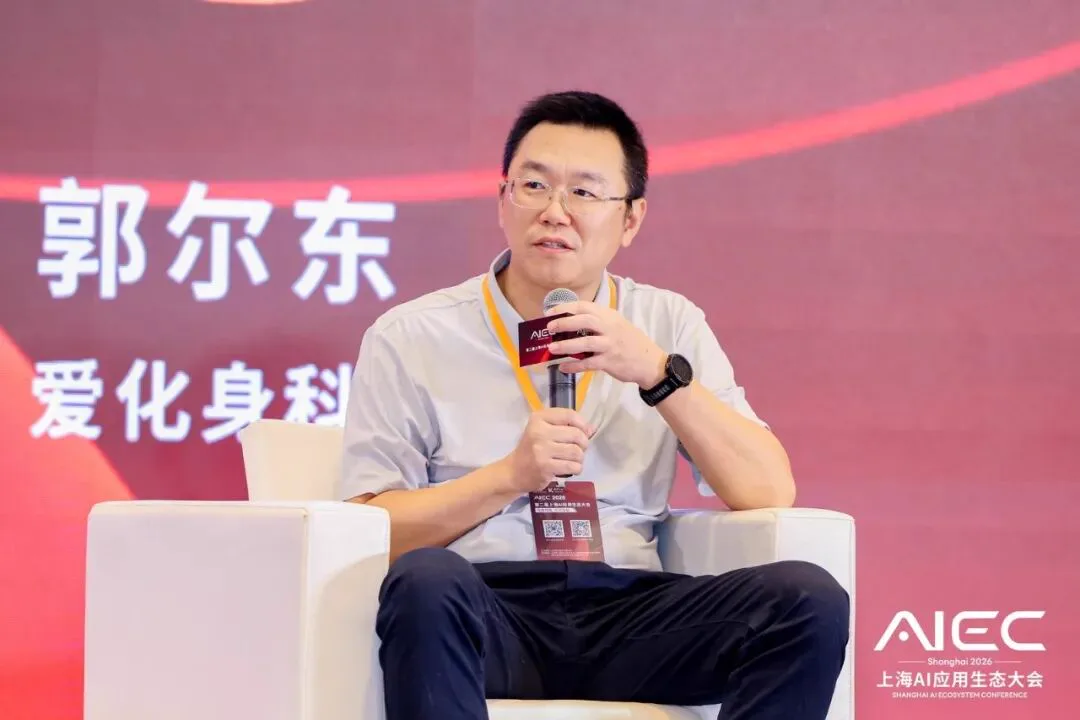
AHS Vice President Guo Erdong noted that enterprises can already use AI for Q&A, writing and analysis, but calling a model does not mean AI can take responsibility for business tasks. To enter real enterprise operations, it must also understand business data, object relationships and process rules.
In a project for a leading A-share-listed environmental sanitation services company, WBM-based Agentrix connects drone inspections, IoT sensors and business-system data. It links urban inspections, analysis, task allocation and outcome verification into an operational loop. In one provincial-level city project, issue detection fell from two hours to 20 minutes, average incident handling from one hour to 15 minutes, and the valid work-order rate generated by AI rose from 70% to 98%.
Guo Erdong said that the company’s before-and-after results show why enterprises must first build an ontology-based foundation for data and business logic. Ontology lets AI understand the enterprise, enter its processes and participate in execution, becoming a business participant rather than a peripheral assistant.
Closed-door ontology session: from calling models to a cognitive operating system
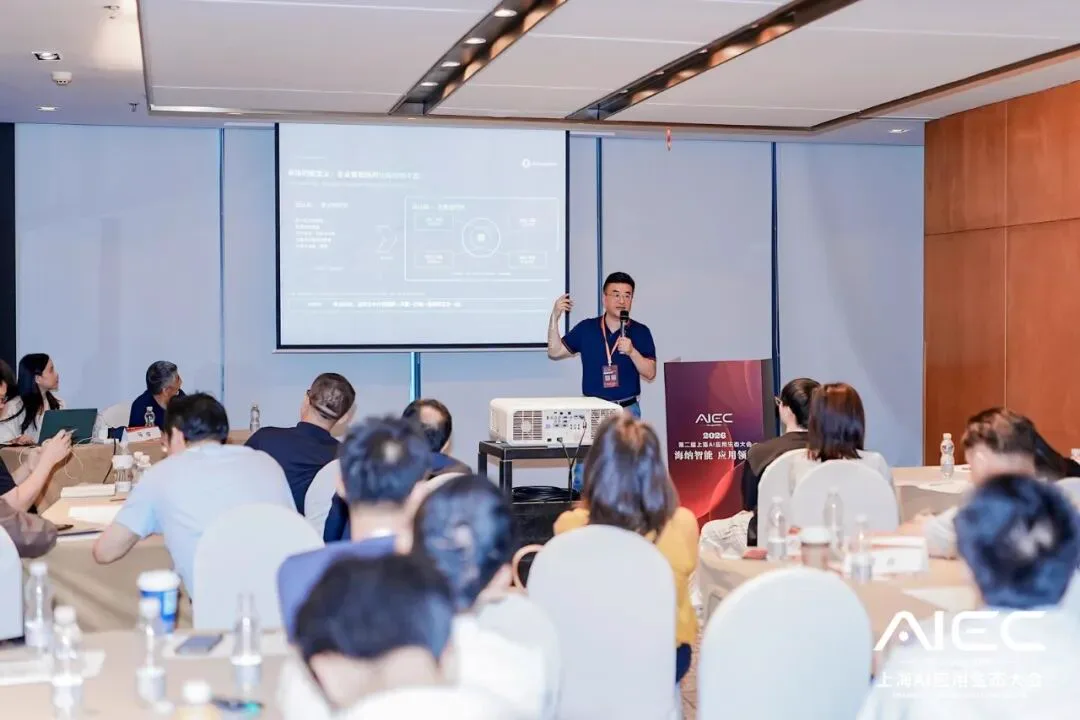
The conference’s closed-door session on ‘AI and Ontology Technology’ examined the foundations: when agents begin calling systems and executing tasks, how can enterprises enable them to understand the business and perform real work within controllable boundaries?
AHS Vice President Chen Jun argued that as models and agent-development tools become more accessible, accumulated data, rules, processes and experience are the business assets hardest to replicate. Using these assets effectively requires more than calling large models: it requires an ontology-centered cognitive operating system.
‘Ontology is business modeling, not data modeling,’ Chen Jun said. It must organize business objects, relationships, states, rules, permissions and ways of acting so that AI understands not only what happened but also what it affects and what action to take. Because ontology embodies actual operating logic, business staff must participate alongside technical teams.
Agentrix puts this approach into a product. Data OS establishes data and business semantics; Agent OS handles orchestration, permissions and task scheduling; Agent Workforce defines digital workers’ roles and collaboration. Enterprises can start with clearly bounded scenarios of verifiable value, build a minimal ontology, then expand AI’s participation through tiered authorization, allowlists, human confirmation and process tracing.
Chen Jun summarized deployment standards in three questions: ‘Can it do the work? Can we trust it to do the work? Is it worth doing?’ These correspond to business capability, governance boundaries and actual value.
This reflects an important shift at the conference: enterprises are moving from assessing AI’s ability to generate content and suggestions toward its ability to make judgments using business semantics, enter processes under rules and permissions, and deliver verifiable outcomes.
For Shanghai and eastern China, with their extensive modern service industries, this shift opens broader possibilities. Finance, commerce, logistics and urban services offer dense business scenarios while connecting closely with manufacturing and the real economy. These complex environments will test whether enterprise AI can create lasting value.
The conference connects technology supply, application demand, professional services and industrial resources, supporting an AI application ecosystem rooted in the Yangtze River Delta and serving the wider country. As an enterprise AI operating-system company, AHS continues to participate in Shanghai’s service-sector transformation and explore with industry partners how AI can enter real organizational operations.
Through Agentrix, AHS is progressively turning dispersed data, business semantics, process rules and organizational experience into intelligence infrastructure that enterprises can own and operate continuously, rather than simply adding another AI tool to existing systems.
For enterprises seeking intelligent transformation, moving from available models to controllable business operations means more than a technical upgrade. It is a shift from calling external intelligence to developing their own capabilities—the long-term direction of AHS’s Agentrix deployments and participation in Shanghai and eastern China’s AI ecosystem.