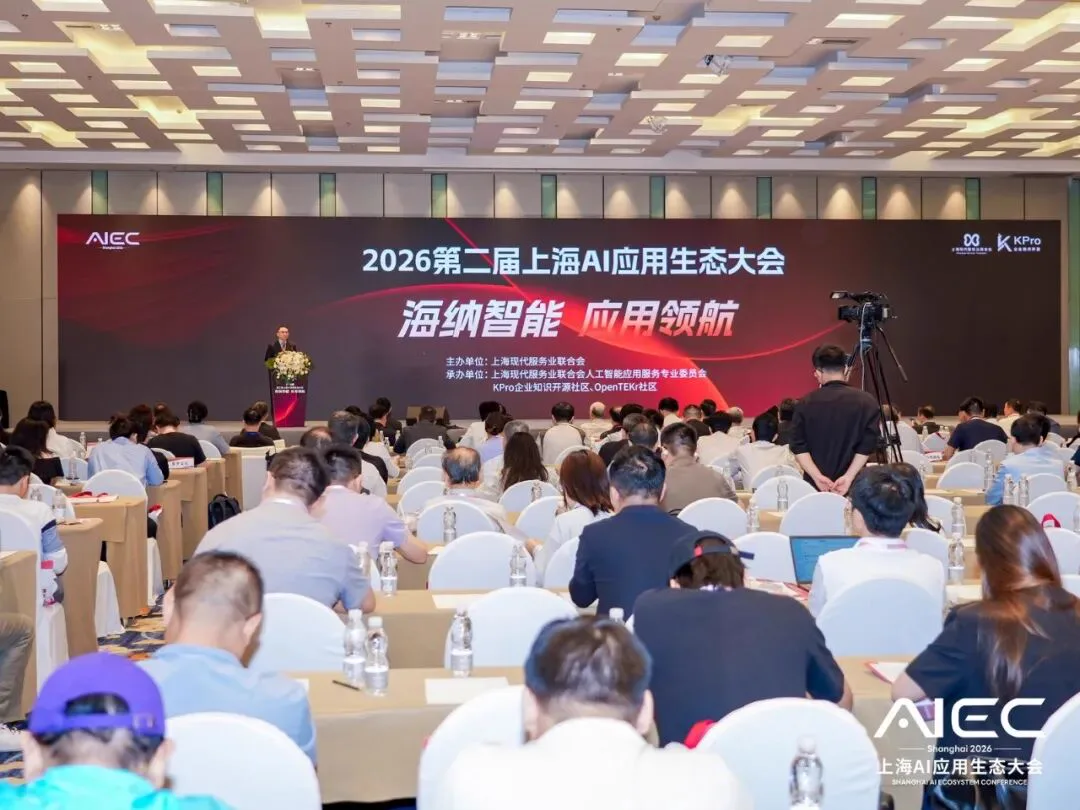
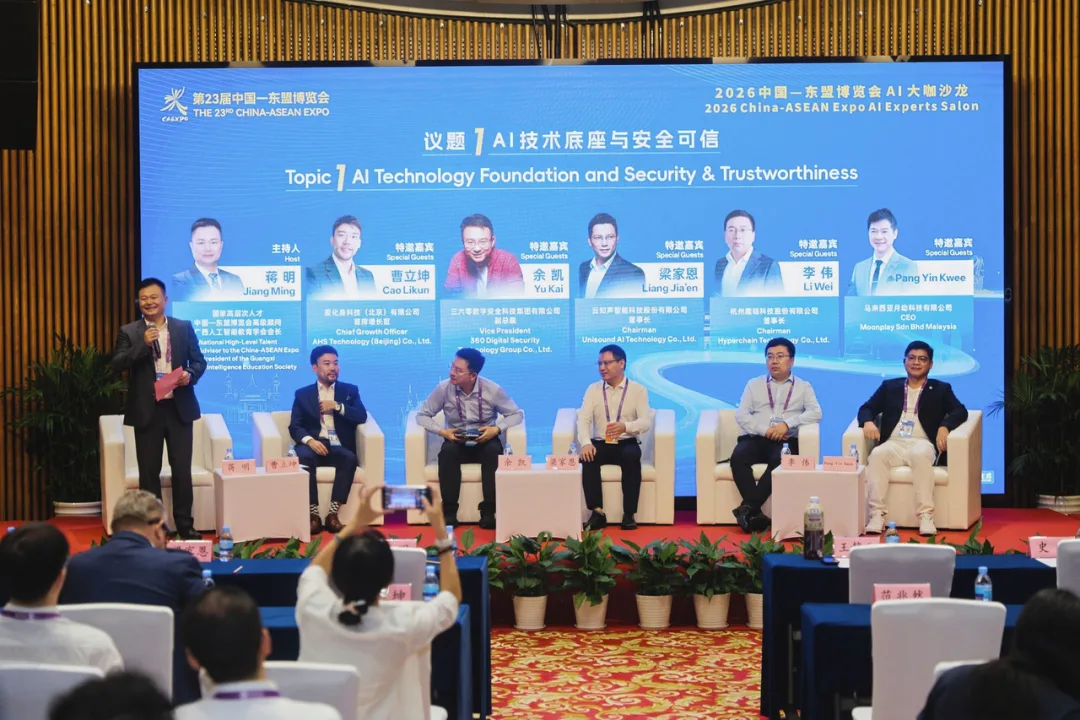
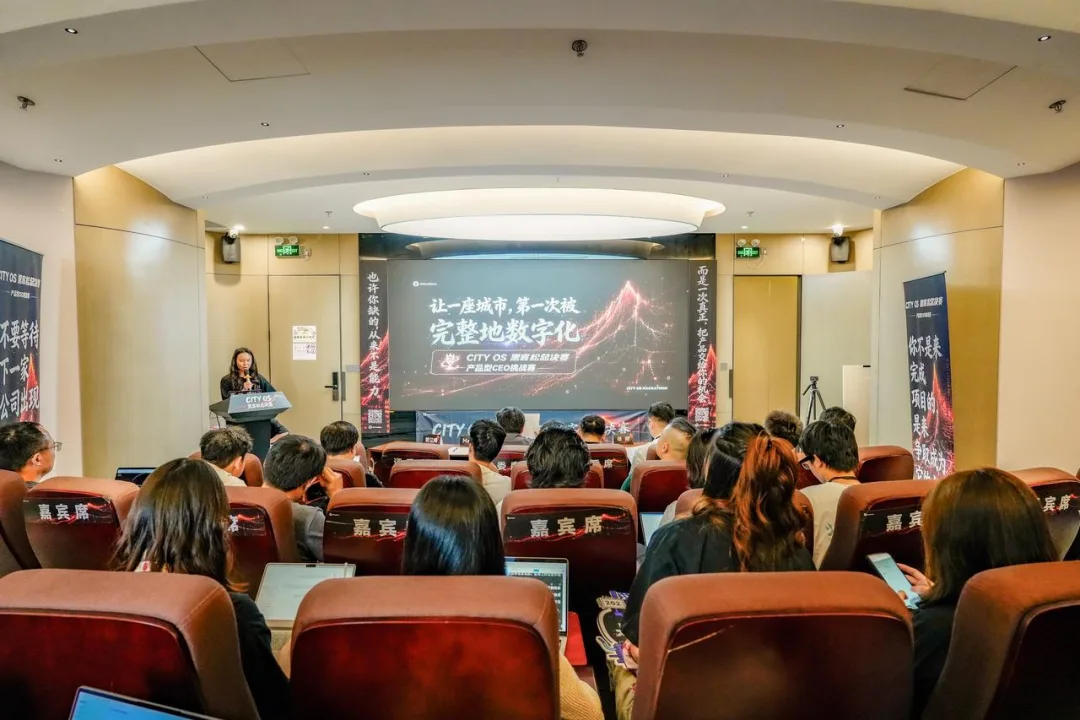
A profound change is taking place in Ningbo as AI connects urban governance, industrial upgrading and enterprise transformation.
The 2026 China Zhejiang–Ningbo Talent and Science Week opened on September 20. Under the theme ‘A First-Class Ecosystem, a Shared Future’, Ningbo is bringing talent, technological innovation and industrial development into one urban innovation system. Activities include exchanges among leading professionals, industrial matchmaking and innovation competitions focused on AI, the marine economy, advanced materials, deep-sea exploration, aerospace and other emerging and future industries.
Enterprise AI company AHS was invited to participate. Meanwhile, its independently developed enterprise AI operating system, Agentrix, applied to enter the third ‘AI Ningbo’ competition for industrial empowerment through artificial intelligence.
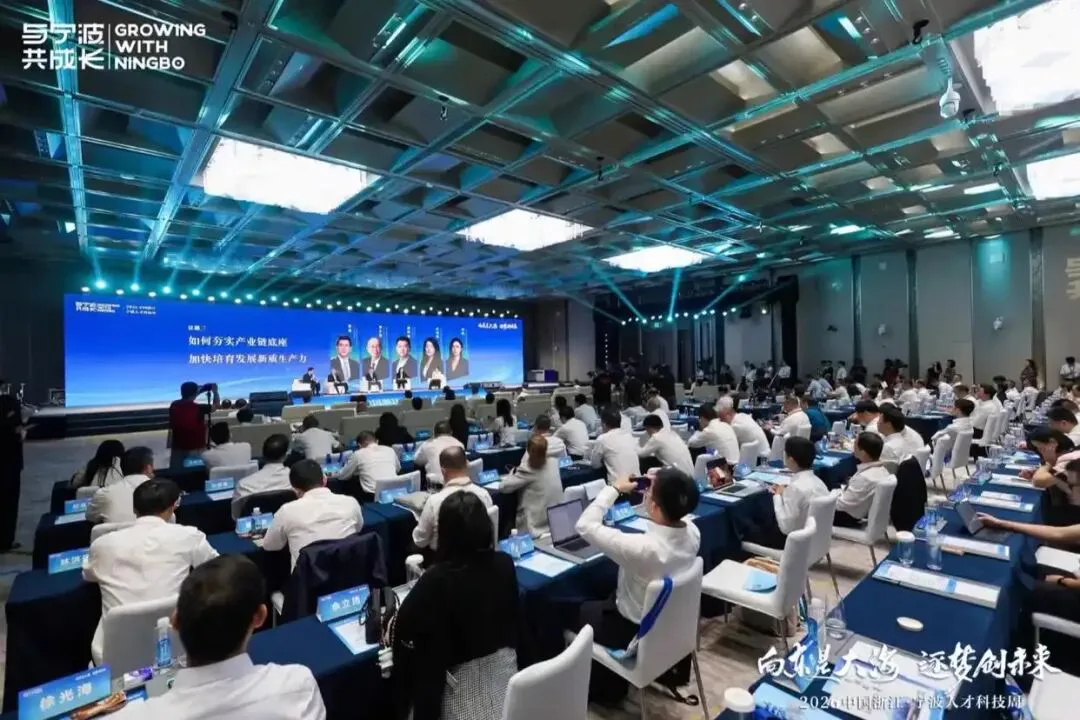
Running concurrently, the two activities point to the same development: enterprise AI is becoming more deeply embedded in Ningbo’s innovation ecosystem, which integrates talent, technology and industry.
This is directly connected to Ningbo’s industrial foundations.
Official figures show that Ningbo, a major manufacturing city, ranked fifth among Chinese cities for total industrial value added in 2025. It has four national advanced manufacturing clusters, including green petrochemicals and magnetic materials, as well as several national specialized SME industrial clusters. It is also developing world-class clusters in green petrochemicals, new-energy vehicles and components, while accelerating key supply chains in intelligent robotics, industrial machine tools and smart sensing.
Such a highly specialized manufacturing system requires AI to solve specific problems in R&D and design, production, business management, supply-chain collaboration and organizational operations.
Ningbo’s Action Plan for Deepening Manufacturing’s Digital Transformation and Building an Open Innovation Hub for All-Scenario ‘AI + Manufacturing’ (2026–2028) sets out this direction. By 2028, official targets call for 20 influential industrial domain-specific large models, 100 flagship ‘AI + Manufacturing’ application projects, 100 high-quality scenario solutions, support for 100 high-level AI talent projects and a national pilot-scale AI application base.
As an enterprise AI operating system, Agentrix is built for real business decisions and execution. Its participation in the Talent and Science Week and related ‘AI Ningbo’ activities has significance beyond an individual project: enterprise AI is increasingly being assessed within the broader framework of urban industrial upgrading, operational efficiency and intelligent productive capacity.
Agentrix comprises Data OS, Agent OS and Agent Workforce. Designed for real enterprise environments, it unifies business objects and data semantics, agent identities and permissions, and large-scale agent collaboration. Within clear governance boundaries, AI can move beyond isolated tasks to participate in understanding, decision-making and execution across the enterprise.
On this foundation, Agentrix helps enterprises build intelligence infrastructure they can control independently. Organizations retain control over data, business semantics, rules, permissions and agent scheduling, avoiding dependence on one external platform for core capabilities. In critical operations, decision grounds are traceable, agent behavior explainable, execution paths trackable, critical changes recoverable and outcomes reproducible. This establishes the conditions for AI in essential business functions, beyond peripheral tools and localized efficiency gains.
Ningbo is exploring how AI can enter manufacturing and the real economy effectively. Through Agentrix, AHS takes the question further: once AI moves deep into industry, enterprises must progress from being able to use it to being confident enough to entrust it with real work. This requires both independently controllable intelligence infrastructure and the ability to retain and govern their own intelligence systems over time.